Spatial computing is finally wearable
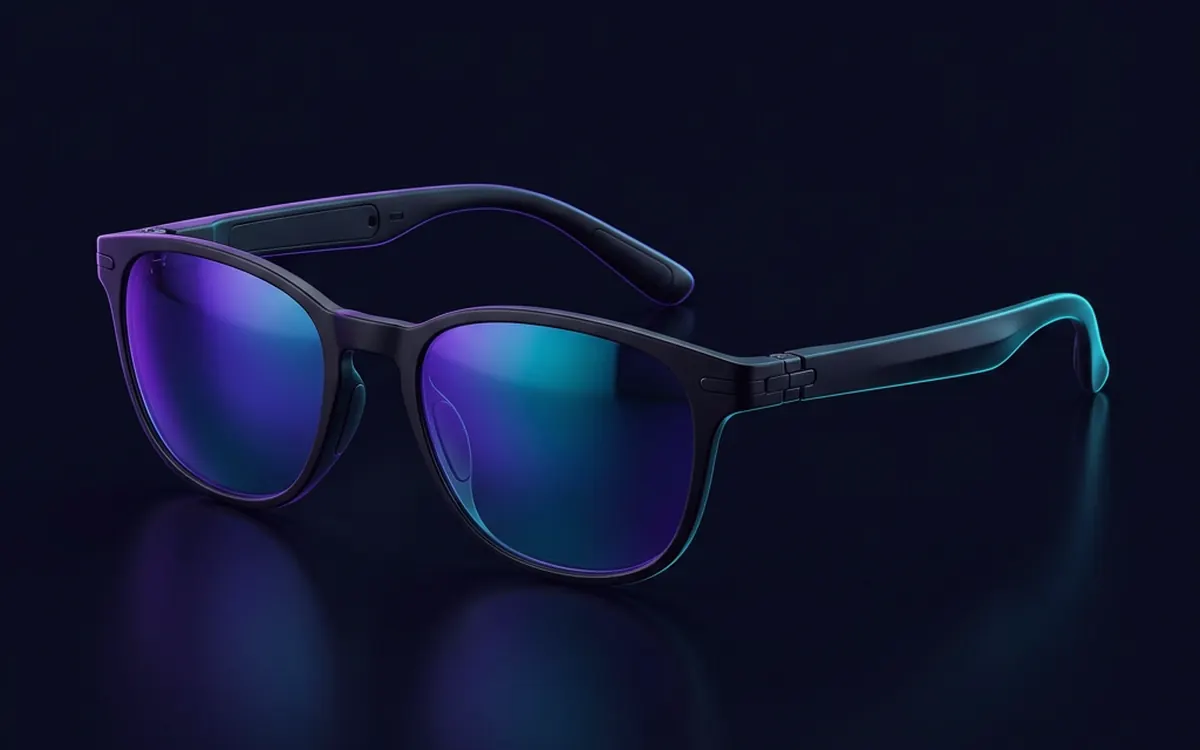
For a decade, augmented reality lived inside headsets that were too heavy, too hot and too conspicuous for daily life. In 2026 that finally changed. Micro-OLED displays, waveguide optics and efficient silicon have shrunk the technology into frames that weigh less than a pair of sunglasses.
What actually changed
Three breakthroughs arrived at once. Micro-OLED panels the size of a fingernail now deliver 1080p per eye at more than 3,000 nits. Birdbath optics became thin enough to sit inside a conventional frame. And dedicated spatial chips made it possible to move heavy processing to the phone or laptop you already own.
“The goal was never to replace your screen. It was to make the screen disappear until you need it.”
The result is a device you can wear on a train, in a café or on a 12-hour flight without anyone noticing — and without a headache at the end of it.
Designing for the face
Putting technology on someone's face is the most intimate design problem there is. Every gram matters: our research found that comfort drops sharply above 85 grams, so Vision Lens was engineered to land at 79.
- Weight distributed 55/45 between the front and the temples to avoid nose fatigue
- Titanium hinges that flex 12° for a wider range of head shapes
- Passive thermal design — no fans, no hot spots on your temples
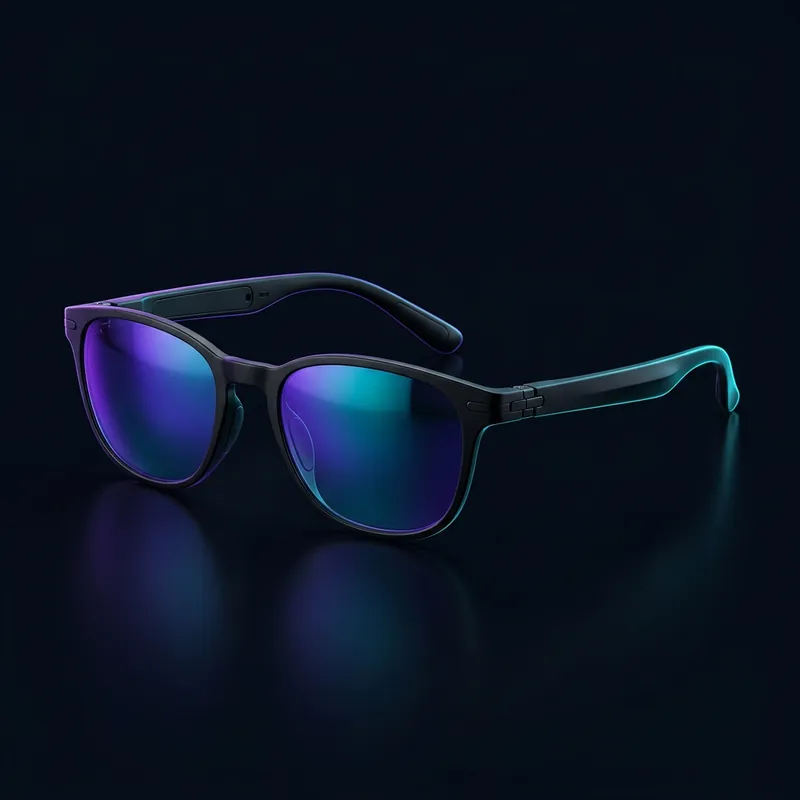
Vision Lens AR Glasses
How people actually use it
Six months after launch, the most popular use case isn't gaming or navigation — it's a private, portable monitor. Developers code on a virtual 120-inch display; frequent flyers watch films without craning their necks; designers review work at true scale.
What comes next
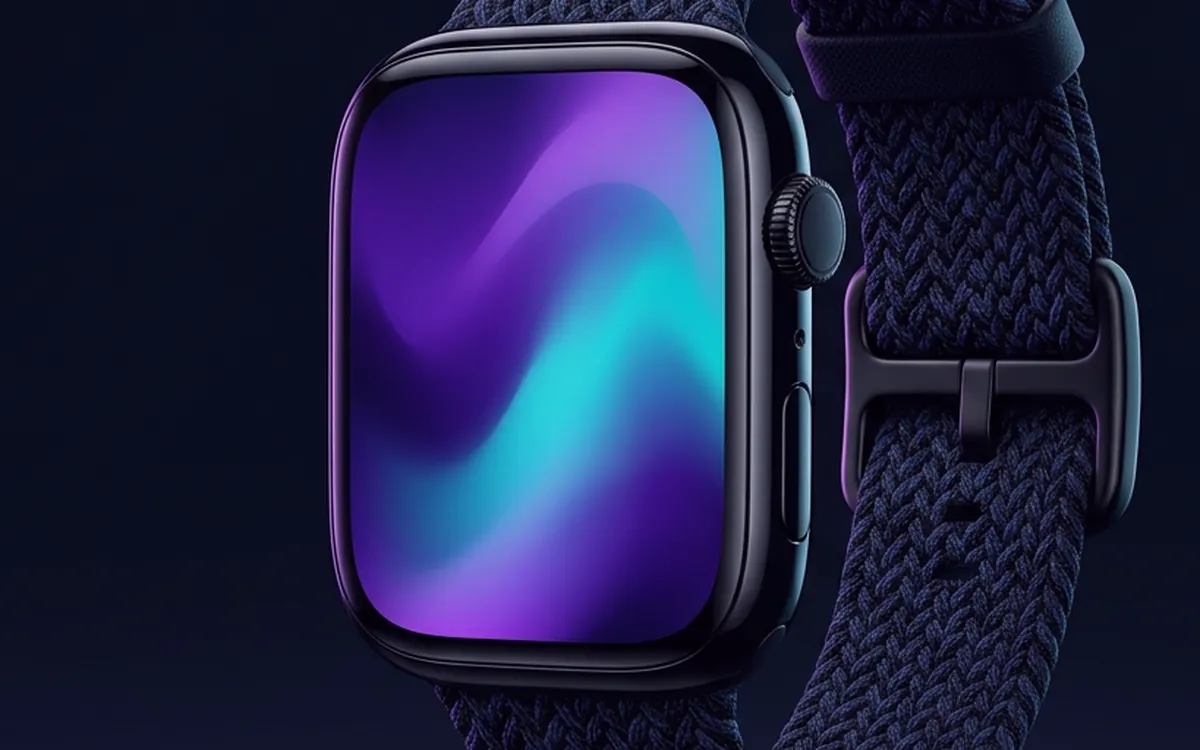
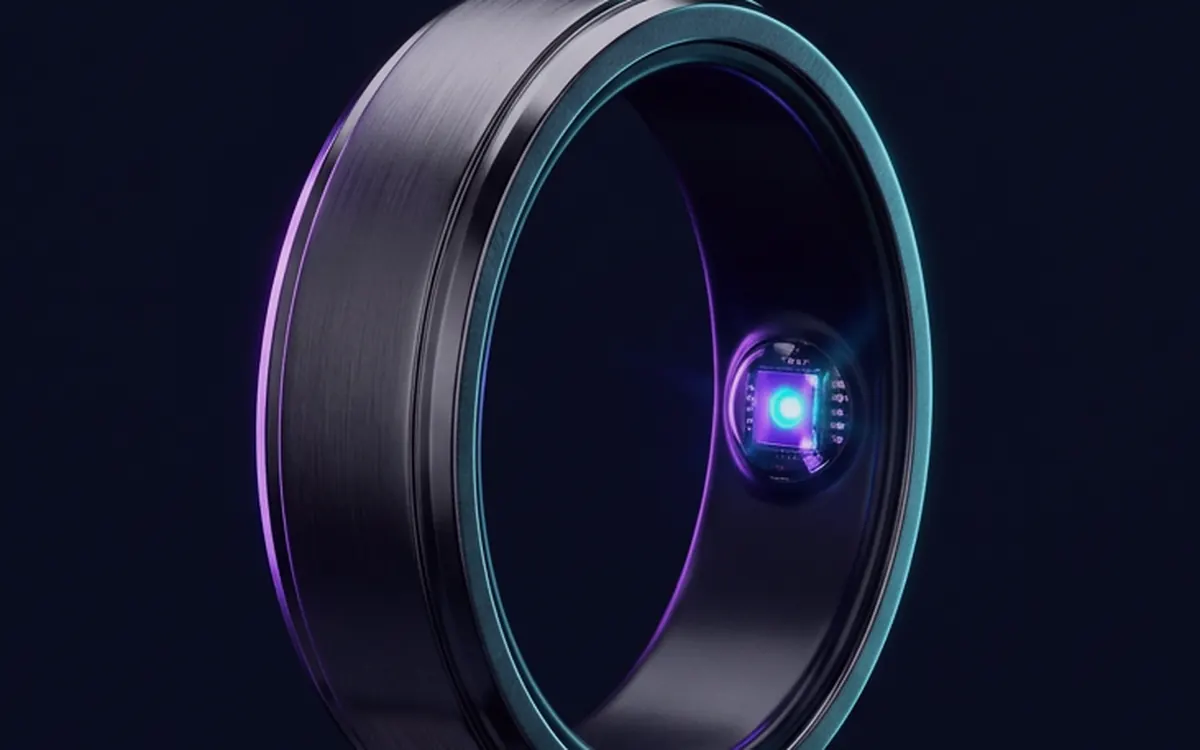
The next frontier is context: glasses that understand what you're looking at and surface exactly the right information — and nothing else. We think the best spatial interface will be the one you barely notice.

Ravi JoshiNov 13, 2026
The 85-gram comfort threshold is fascinating. I returned my last headset because of nose fatigue — this explains why.
Chloé MartinNov 12, 2026
Using a virtual monitor on flights has genuinely changed how I travel. Great write-up.